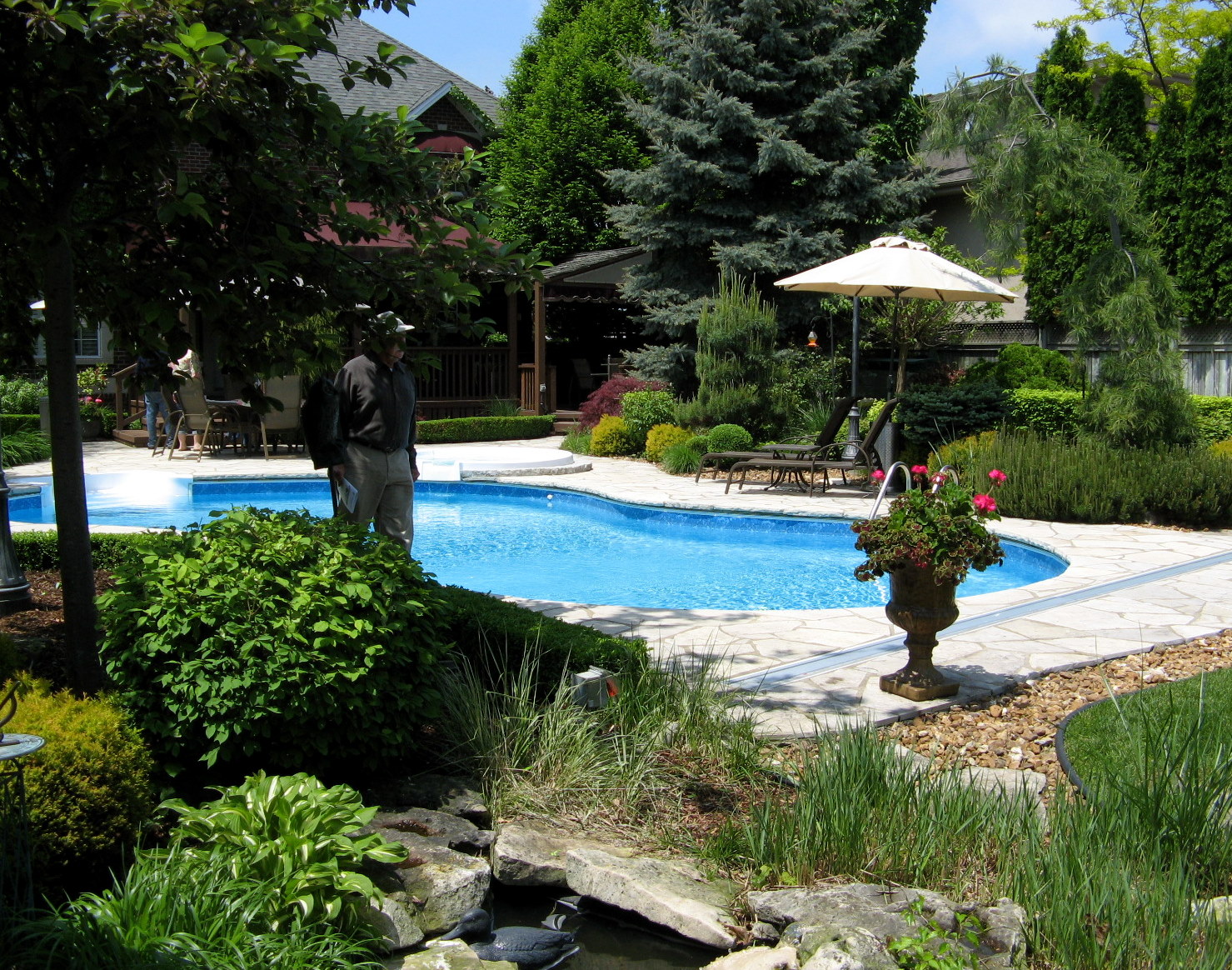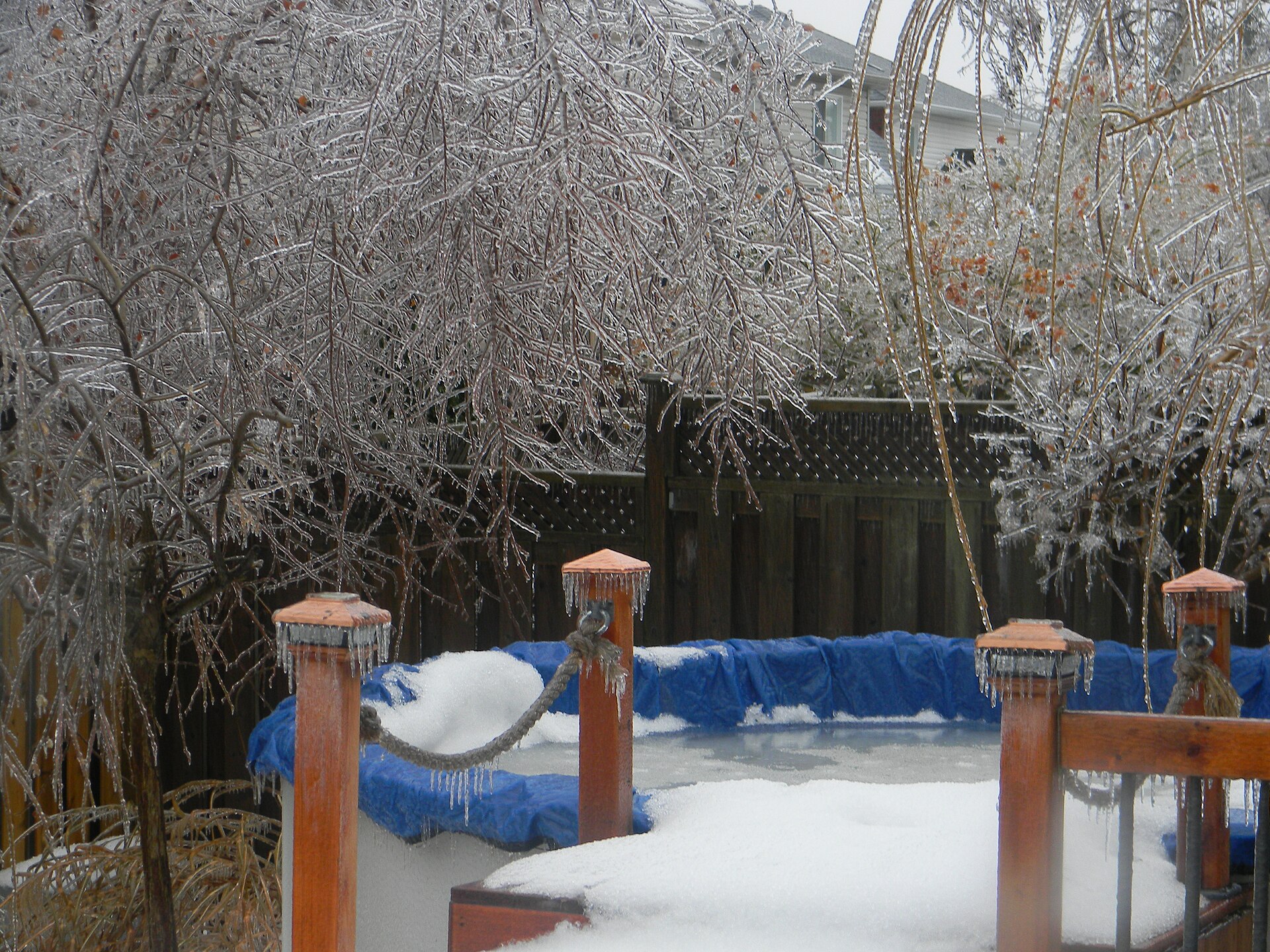


























Building a pool in London
London is the Forest City, and that name shapes every backyard pool project here. The Thames River forks through the middle of town, mature canopy shades a large share of the yards, and the soil across most of the city is clay till that holds water long after a rain. Lots range from narrow early-1900s plots near the core to generous suburban yards in the north and west ends — and near the river valleys, extra rules apply before anyone digs.
Permits and bylaw rules
London's pool rules live in [By-law PS-5](https://london.ca/by-laws/swimming-pool-fence-swimming-pool-regulation-law-ps-5), which covers the fence, the pool grading and drainage plan, and the permits the Chief Building Official issues once the plans comply. The City's [swimming pool fence and enclosure regulations page](https://london.ca/living-london/building-renovating/swimming-pool-fence-enclosure-regulations) sets the trigger, and it is broader than most buyers expect:
- A permit and a fence are required if the pool holds more than 75 cm of water at any point and has a surface area over 1 square metre — so most inflatable and kiddie pools are caught too, not just inground builds.
- The application needs a site plan showing the pool location with measurements from all property lines, the fence location and type, and the gate requirements.
- The by-law also requires a pool grading and drainage plan, because a hole in London clay changes where stormwater goes — for your lot and your neighbour's.
If the property sits near the Thames or one of its tributaries — think the river-valley neighbourhoods in Byron and West London, or anywhere near a floodplain — the [Upper Thames River Conservation Authority's regulated area](https://thamesriver.on.ca/planning-permits-maps/regulated-area-maps/) likely applies, and a UTRCA permit comes before the City's. London's flood protection (the Fanshawe dam upstream, the dyke system through town) exists precisely because these valley lands flood, so check the regulated-area maps before you fall in love with a pool location.
Lots, soil and the season
Canopy is the quiet budget item. A yard that's shaded by mature maples and oaks costs more to prep — tree protection and removal rules can apply to significant trees, and an arborist report is sometimes needed before a crane or an excavator works inside the drip line. Shade also cools the pool: a heavily treed London yard may argue for a smaller, sun-positioned pool rather than the biggest shell that fits.
The clay is the other constant. Clay till excavates fine but doesn't drain, so open digs pond after rain, and builders here plan for dewatering and for keeping the shell dry until backfill. Older neighbourhoods also hide surprises — buried concrete, old fuel-oil tanks, legacy drainage tile — that surface the week the machine arrives. The season is standard southern Ontario: contracts signed over winter get dug after spring thaw, water is warm by late June, and closing happens before the first hard freeze. London's permit queue moves quickest in the first months of the year, which is exactly when most builders' calendars are still open.
What drives the price and what to ask
Quotes in London swing most on tree work, dewatering and the grading plan — then on access (fenced side yards on a 10 m lot versus an open west-end backyard), electrical and gas runs to the equipment pad (pool wiring needs an Electrical Safety Authority notification — ask who files it), the mandated enclosure, and any UTRCA review if you're near a valley.
Ask each pool builder:
- Have you pulled London permits under PS-5 before, and who prepares the site plan and grading and drainage plan — you, or an engineer I pay separately?
- What is your dewatering plan in clay, and how is it charged if it rains mid-dig?
- How do you protect the trees we're keeping, and what happens if the dig hits buried debris or an old tank?
- If we're near the Thames or a tributary, have you handled UTRCA review, and how long did it add?
- What does the written warranty cover — shell, plumbing, liner, workmanship — and for how long?
- Are opening, closing and first-year water chemistry included?